
Getting a new windshield may seem simple. The damaged glass comes out, the new glass goes in, and you are ready to drive again.
For many newer vehicles, there is one more important step.
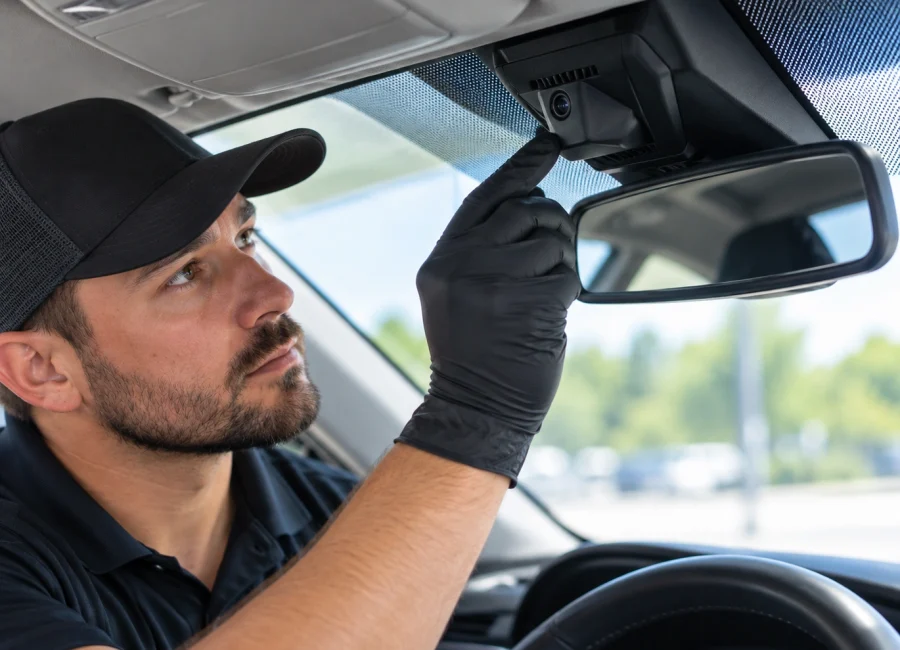
If your vehicle has cameras or sensors mounted near the windshield, you may need windshield recalibration after the glass is replaced. These systems help support safety features such as lane departure warnings, automatic emergency braking, and adaptive cruise control.
Even a small change in the position of a windshield-mounted camera can affect how the system reads the road.
That is why recalibration is becoming an important part of windshield replacement for many modern vehicles.
What Is Windshield Recalibration?
Windshield recalibration is the process of making sure your vehicle’s cameras and sensors are correctly aligned after a windshield replacement.
Many vehicles now use Advanced Driver Assistance Systems, often called ADAS. These systems use cameras, radar, sensors, or a combination of technology to watch what is happening around your vehicle.
A camera located near the rearview mirror may help your vehicle recognize:
- Lane markings on the road
- Vehicles traveling in front of you
- Pedestrians or other objects
- Road signs
- Changes in traffic conditions
- The distance between your vehicle and another vehicle
The camera is designed to look through the windshield at a very specific angle.
When the windshield is replaced, the position of that camera can change slightly. Even if the new windshield looks perfectly installed, the system may still need to be recalibrated.
Recalibration helps make sure the camera is looking where the vehicle’s computer expects it to look.
Why Is Recalibration Important After Windshield Replacement?
Modern driver assistance systems depend on accurate information.
Imagine a camera that is supposed to point straight ahead but is slightly off to one side. The difference may be small enough that you would never notice it by looking at the windshield.
Your vehicle’s computer, however, may receive incorrect information.
That could affect features designed to help you while driving.
Systems that may depend on proper camera alignment include:
- Lane departure warning
- Lane keeping assistance
- Forward collision warning
- Automatic emergency braking
- Adaptive cruise control
- Traffic sign recognition
These features are designed to support the driver, but they depend on properly positioned equipment.
That is why windshield recalibration should not be treated as an optional extra when the vehicle manufacturer requires it.
The goal is to restore the safety system to the correct settings after the windshield replacement.
How Does Windshield Recalibration Work?
There are two common types of recalibration: static and dynamic.
The method your vehicle needs depends on its make, model, year, and safety system.
Static Recalibration
Static recalibration is performed while the vehicle stays in one place.
The technician may position special targets or patterns at specific distances in front of the vehicle. Diagnostic equipment communicates with the vehicle while the camera reads these targets.
The system is then adjusted or reset according to the manufacturer’s requirements.
Static recalibration usually needs a controlled work area with enough space around the vehicle.
Dynamic Recalibration
Dynamic recalibration involves driving the vehicle under specific road conditions.
The technician connects diagnostic equipment and drives the vehicle while the system reads lane markings, signs, vehicles, and other information.
The exact driving conditions can vary depending on the vehicle.
Some vehicles require a certain speed, clear lane markings, good weather, or a specific amount of driving time before the process can be completed.
In some cases, a vehicle may require both static and dynamic recalibration.
How Do You Know if Your Vehicle Needs Recalibration?
Not every vehicle needs recalibration after a windshield replacement.
Older vehicles may not have windshield-mounted cameras or advanced driver assistance systems at all.
Newer vehicles are much more likely to use this technology.
You may have ADAS features if your vehicle can warn you when you leave your lane, automatically slow down when traffic changes, or alert you when another vehicle gets too close.
Other signs may include a camera located behind or near your rearview mirror.
However, drivers should not have to guess.
A professional auto glass technician can check the vehicle information and determine whether recalibration is required.
Factors that can affect the need for recalibration include:
- Vehicle year, make, and model
- Type of driver assistance system
- Location of cameras and sensors
- Windshield design
- Manufacturer requirements
- Whether the camera was moved during replacement
It is important to follow the vehicle manufacturer’s procedure instead of assuming every car is the same.
What Happens After Recalibration Is Completed?
Once the recalibration process is finished, the technician checks that the system has completed the procedure correctly.
Diagnostic equipment may be used to confirm that there are no remaining warning codes related to the camera or safety system.
Depending on the vehicle, you may also see warning lights disappear from the dashboard.
The goal is to make sure the safety features are operating according to the manufacturer’s settings before the vehicle returns to normal use.
You should still pay attention to how your vehicle behaves after the service.
If you notice warning lights, unusual alerts, or driver assistance features that do not seem to work correctly, contact the service provider.
Remember that driver assistance technology is designed to help the driver. It does not replace careful driving or paying attention to the road.
Windshield Replacement Is About More Than New Glass
Windshield technology has changed.
Your windshield is no longer always just a piece of glass protecting you from wind, rain, and road debris. On many vehicles, it is also connected to important cameras and safety technology.
That means replacing a damaged windshield may require additional steps.
Proper installation followed by windshield recalibration helps make sure the vehicle’s camera systems are aligned the way the manufacturer intended.
E-Auto Glass can help drivers understand what their vehicle needs after windshield replacement. If your vehicle uses cameras or advanced driver assistance features, asking about recalibration can help make sure the job is completed correctly.
If you need a new windshield, schedule your service with E-Auto Glass and find out whether your vehicle also requires recalibration.